
How do you recruit potential female carpenters?
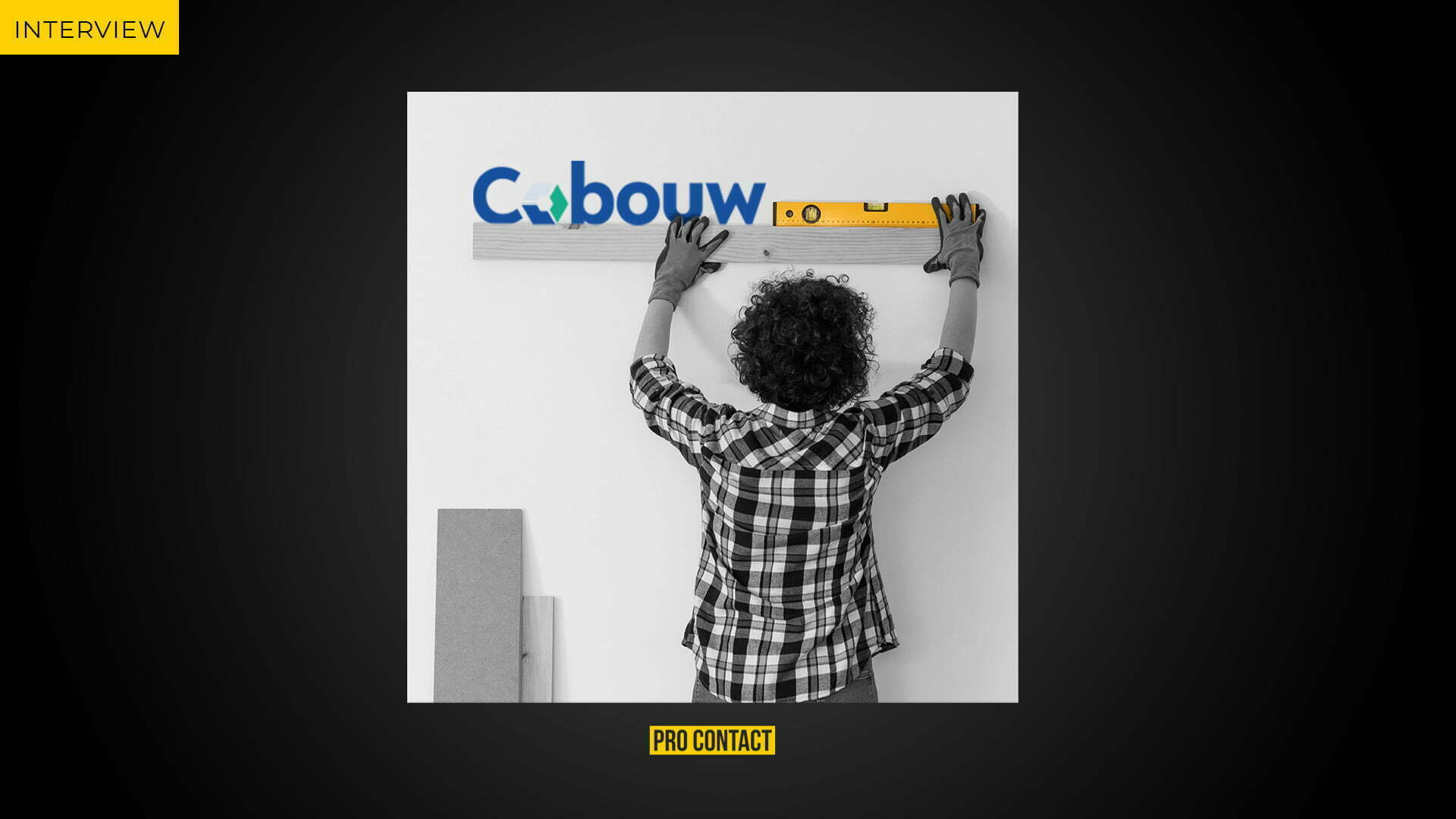
Staff shortage? There is still a big pond left to fish in. Plenty of female carpenters are itching to get started in construction. But to reach them, you do have to recruit differently.
Noud Baijens thinks the idea that no women want to work in construction and engineering is nonsense. The founder of online recruitment agency Pro Contact helps companies use social media campaigns to speak to different target groups. And so recruit new people, too.
“Why wouldn’t there be women who want to work in construction?” says Baijens. “That would be really strange, and it’s absolutely not true. But you do have to make an effort to recruit them. It’s a matter of adjusting your campaign and your message.”
Male carpenters or female carpenters
Mainly through different images, words and targeting on social media, Pro Contact reaches the female target group. Builders, for example, shouldn’t be looking for a carpenter, but for a female carpenter. Sometimes it really is that simple. “We regularly run campaigns aimed at female carpenters, where we target women only,” says Baijens. “Some of the women who respond are already qualified. And a larger group would love to be trained as a carpenter. So you can’t say they don’t want to and that they aren’t out there.”
Recruiting differently
Paul Vink, director at Viac Adviseurs, started thinking about this too. The consultancy focuses mainly on building services advice. “Why do we have so many men and so few women?” Vink wondered. It lit a fire that led the company to recruit in a different way, to attract a wider range of target groups. “We try to look more at a person’s expertise,” Vink explains. “By that I mean you don’t necessarily need a mechanical or electrical engineering background.”
The company mainly looks at what someone can already do, and what is still needed to get started in the company. “We then want to train young people ourselves and draw up a development plan together. We also take over part of their student debt, that’s something we can make arrangements about. Because that’s a heavy burden.”
Ready-made
So Vink mainly looks at someone’s basic knowledge. “It sounds complex, but it isn’t. We focus too much on standard job profiles. It’s naive to think you can pluck someone ready-made off the market. I want to discover the talent in the person.” Someone who is just starting out on the labour market isn’t ‘finished’ yet. “I’d much prefer it if someone said: I don’t have this or that, but I can do this.”
But how do you put that into practice? With two sheets of A4, Vink explains. On the first, the applicant is meant to ‘sell’ themselves. Why do you think you can do the job on offer? “And on the other sheet they fill in what they expect from the company. That’s all we need. So we’re no longer interested in names or background.”
Vink had it tested by people who already worked there. “Everyone found it difficult, even though they know exactly what they can do.”
The mix is coming along nicely
This is how Vink hopes to attract other people, including women. Because they are definitely out there. At first, Vink hadn’t really noticed that there were so few women in the engineering sector either. Until he started paying attention. The male/female split in his company isn’t completely equal yet, but the mix has been coming along nicely since the company started doing things the new way. “If we manage to create a mix of men and women, it’s better for the company. You get a different dynamic.”
Baijens hears the same thing from companies more and more often. “They say it’s refreshing to have a woman walking around the building site. In the end, you want more diversity and a better balance and mix in a company. That’s healthier for every company, including in construction.”
Handy Saskias
Baijens notices that traditional thinking sometimes holds this development back. When they set up a social media campaign, companies often assume it will be aimed at men. Still, he also sees a lot of enthusiasm. “Lots of construction companies want to invest in this. So it’s really a case of: let’s go for it.”
And that means actively training and retraining women too. That happens with men as well. “We’ve been dealing with a tight labour market for years. Construction companies have all kinds of training classes for career switchers. Why not add women to them? It’s a switch in mindset. Our clients are looking for a Handy Harry, so go looking for a Handy Saskia as well.”
As a company, you can also start targeting young people at secondary school, introducing them to great examples from the industry, says Baijens.
Making it visible
Because that’s where Vink does see a bottleneck. It’s no fun being the only girl in your class at college. A while ago he spoke to a woman who had experienced exactly that. She didn’t let it bother her. “But those are the exceptions,” says Vink.
According to Vink, we should therefore look much more consciously at why your company needs someone, and what that person can already do. Then you can train them yourself. “You learn so much during your working life. I’d love it if that’s how we got more women into our engineering trade.”
Terms of employment should be part of that too, says Baijens. For example through more flexible hours or fewer hours. “And make that visible on your channels. So make sure you’re visible, make your company and your jobs attractive, and just get on with it.”
This interview appeared on 19 April on Cobouw.
Meer berichten.



Genoeg gelezen?
Schedule a no-obligation introductory meeting. In 30 minutes, you'll know if we're a good fit.