
Working safely and productively? This is the impact of a good crane operator
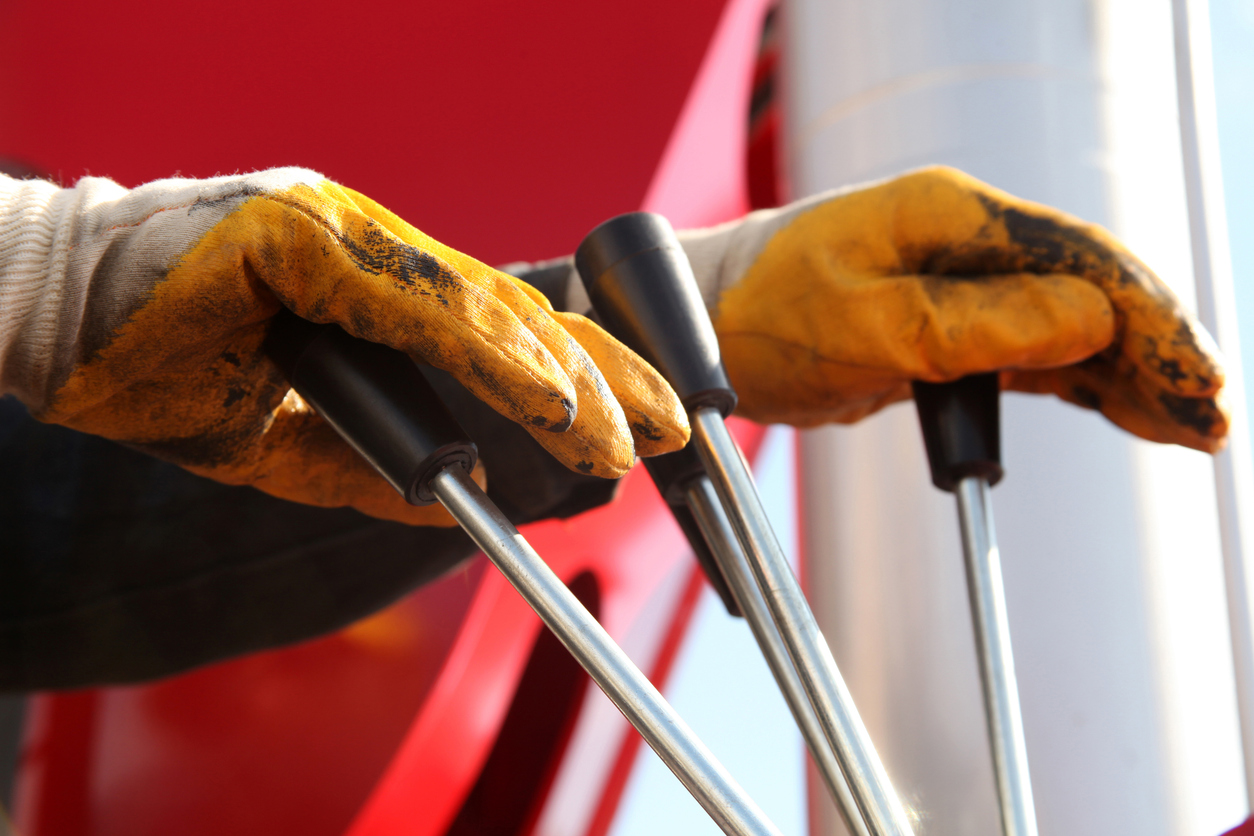
On building sites, in ports or in industry: wherever heavy objects need to be moved, cranes are indispensable. But these giants do more than that: they speed up processes, for example, and make other work possible that simply couldn't be done otherwise. But don't forget: without a crane operator, a crane isn't worth much. If you want to recruit crane operators, there are a few things to look out for. A good crane operator does more than operate machines: he or she has a direct influence on the safety and productivity of a project. That makes crane operators indispensable. But what exactly should you look out for in your recruitment in logistics?
The crane operator as the central point
Crane operators don't just work at great heights, they're also at the heart of your organisation. The crane operator has an overview of the work area, communicates with colleagues on the ground and sets the pace of the lifting work. Every choice the crane driver makes, and so every movement of the crane, has consequences. A small error of judgement can have big consequences: damage, delays or even serious accidents. That's why the crane operator isn't just carrying out the work, but is also responsible for spotting risks and bottlenecks. He or she acts as an extra layer of safety within the team.
Precision, insight and responsibility
Safety is without doubt the most important aspect of a crane operator's work. Lifting heavy loads always comes with risks: falling objects, unstable ground, weather conditions or people entering the danger zone. An experienced crane operator recognises these risks in time and knows which steps to take to reduce them as much as possible.
That starts with good preparation. Checking the crane, assessing the load and sizing up the surroundings are daily routines. During the work itself, it's all about precision and calm. Hasty movements or distractions increase the chance of mistakes. But communication plays a big role too. Clear hand and radio signals, coordination with colleagues and daring to step in when a situation becomes unsafe are essential. A crane operator who takes safety seriously will stop a lift if he or she doesn't trust it, even if that causes a temporary delay.
Pace without compromise
So safety comes before speed. Still, productivity is also high on a crane operator's to-do list. A skilled operator works efficiently, smoothly and at a steady pace. This prevents unnecessary waiting times for other trades on the building site. Not everyone can work efficiently, and certainly not on day one. Experience plays an important role here. So want to recruit a crane operator and do you value a smooth process? Then look at experience, because a crane operator with a few years under their belt can position loads faster and more accurately. This prevents extra work and keeps processes streamlined. Anticipating the next lift or planning movements smartly also contributes to higher output.
It's important to note that productivity doesn't mean "working as fast as possible". On the contrary: a controlled and predictable working pace often leads to fewer breakdowns, less damage and ultimately a better end result.
Resilience under pressure and focus
A crane cab may look like a peaceful place, but the mental load is high. The crane operator has to stay focused, sometimes under time pressure or in complex situations. Wind, rain, noise and a busy site make this extra challenging. A good crane operator knows how to handle this pressure. He or she stays calm, keeps an overview and doesn't get carried away by external stress. This mental stability contributes directly to both safety and the continuity of the work.
Recruiting and training crane operators
The impact of a crane operator stands or falls with their training and practical experience. Modern cranes are becoming increasingly advanced and call for technical knowledge and insight. Regular training, refresher courses and certification make sure operators keep working safely and efficiently. On top of that, experience teaches what no training can fully pass on: a feel for timing, judging situations and recognising subtle risks. So after recruiting crane operators, continuing to invest in them is a strategic choice.
Teamwork as a success factor
Finally, a crane operator's cab isn't an island. How effective his or her work is depends heavily on teamwork with colleagues on the ground, site managers and planners. An open attitude, clear communication and mutual respect strengthen the team as a whole.
When the crane operator is seen as a full partner in the process, it's not just the working atmosphere that improves, but also safety and productivity on site. In short: a good crane operator isn't a luxury, but an absolute necessity. Curious how others have tackled their recruitment in logistics? Read the story of Koninklijke Saan here.
Meer berichten.



Genoeg gelezen?
Schedule a no-obligation introductory meeting. In 30 minutes, you'll know if we're a good fit.